
August 26, 2026

Posted By
World TechnologiesElectrocoagulation Explained: The Role of Electricity in Wastewater Treatment
Electrocoagulation Explained: The Role of Electricity in Wastewater Treatment Treating industrial wastewater is rarely simple. Facilities across Singapore deal with heavy metals, oils, suspended solids, and stubborn organic loads, often all in the same stream. Traditional chemical treatment can handle much of this, but it comes with rising chemical costs, large sludge volumes, and constant
August 26, 2026
Posted By
World TechnologiesSequential Batch Reactor Technology: Process, Operation and Key Considerations
Sequential Batch Reactor Technology: Process, Operation and Key Considerations Industrial facilities across Singapore face growing pressure to treat wastewater efficiently while meeting strict discharge standards. Space is limited, energy costs keep climbing, and effluent quality cannot slip. Sequential Batch Reactor (SBR) technology answers many of these challenges in a single, compact system. It handles biological
August 26, 2026
Posted By
World TechnologiesHow Does MBR Technology Work in Modern Wastewater Treatment?
How Does MBR Technology Work in Modern Wastewater Treatment? Industries across Singapore face a common challenge: how to treat wastewater to strict discharge standards while keeping operating costs and land use low. Membrane Bioreactor (MBR) technology has become one of the most reliable answers. It combines proven biological treatment with advanced membrane filtration to produce
August 26, 2026
Posted By
World TechnologiesUltra Pure Water (UPW) and DI Water Solutions for the Semiconductor Industry: What You Need to Know
Ultra Pure Water (UPW) and DI Water Solutions for the Semiconductor Industry: What You Need to Know In semiconductor manufacturing, water isn’t just a utility. It’s a critical raw material that touches almost every step of chip production. A single microscopic particle or trace of dissolved mineral can ruin a wafer worth thousands of dollars.
August 5, 2026
Posted By
World TechnologiesWater & Wastewater Treatment in 2026: 8 Trends Reshaping the Industry
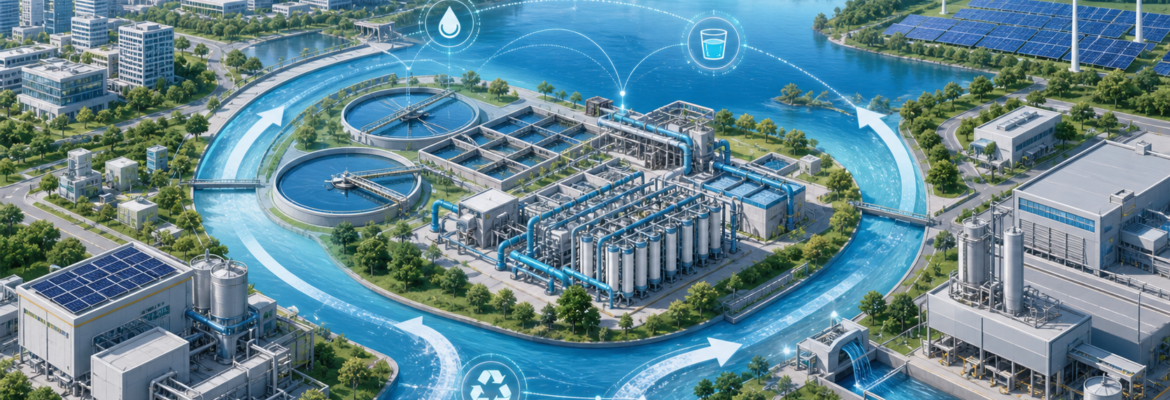
Modern water infrastructure connects treatment, reuse, energy efficiency and resource recovery. Water and wastewater treatment is moving from a compliance function to a strategic platform for water security, operational resilience and resource recovery. In 2026, utilities and industrial operators are being pushed by water scarcity, higher discharge expectations, emerging contaminants, energy costs and the need