
Industrial Wastewater Treatment
Membrane Bioreactor (MBR) Systems
Membrane bioreactor systems combine biological treatment and membrane separation to produce high-quality effluent for discharge or industrial water reuse.
Discuss Your Requirement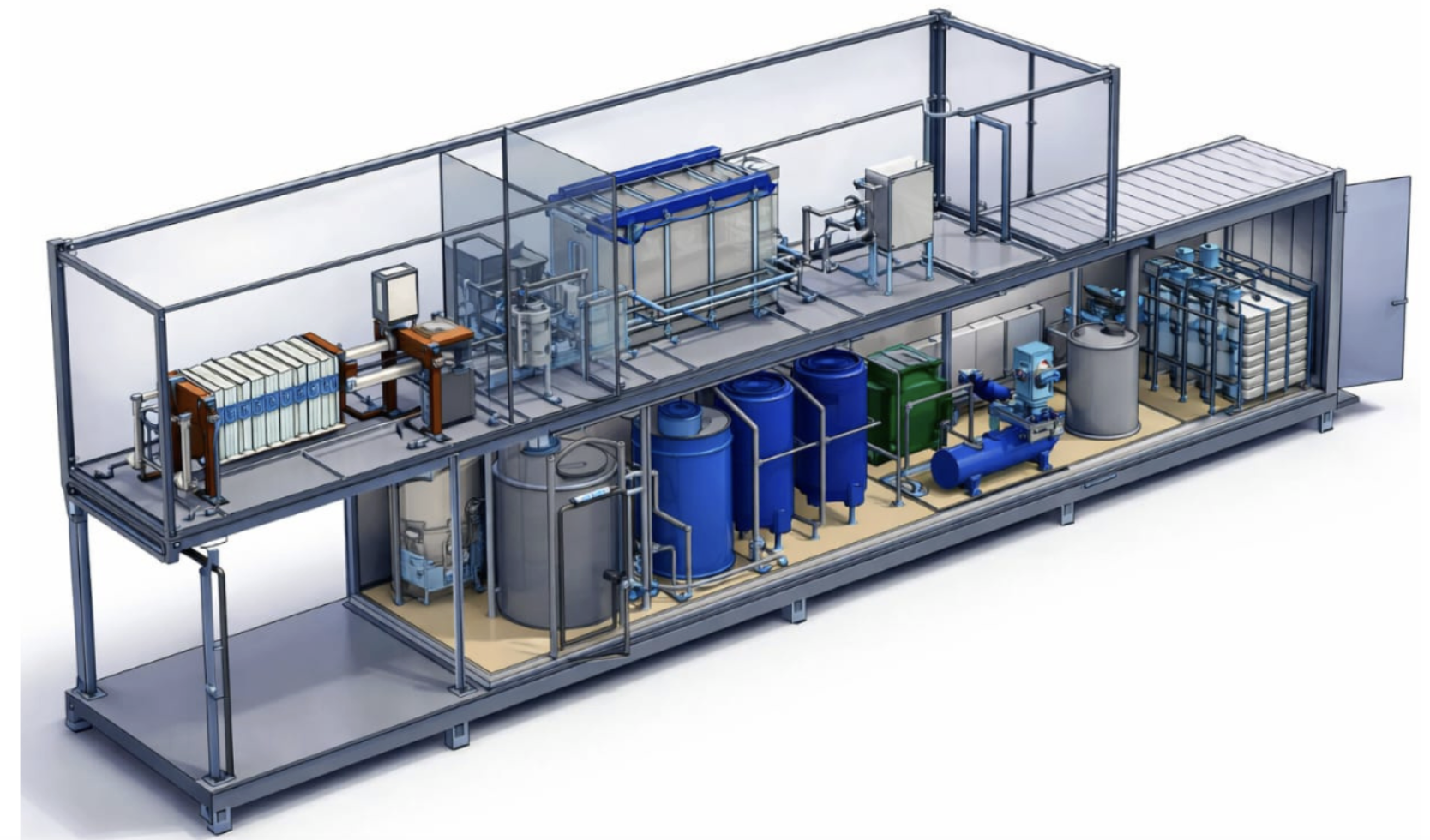
Membrane Bio Reactor (MBR)
The membrane bioreactor (MBR) has emerged as an efficient compact technology for municipal and industrial wastewater treatment. ‘Membrane bioreactor’ (MBR) is generally a term used to define wastewater treatment processes where a perm-selective membrane, e.g. microfiltration or ultrafiltration, is integrated with a biological process − specifically a suspended growth bioreactor. This provides an advanced level of organic and suspended solids removal.
Our Containerized & open System are designed for sewage treatment, and industrial wastewater treatment for different application such as for industry or hotel, for remote communities without access to a municipal sewage system, but also to improve existing treatment plants.
VARIOUS MBR TREATMENT FIELDS
- Advanced treatment of domestic and industrial wastewaters
- Instances where receiving environments are river basins
- Treatment of high pollution wastewater
- Treatment trains resulting in irrigation and water reclamation
- Projects where area is limited for conventional techniques
- Projects where capacity increase results in treatment plant being insufficient
- Water reclamation for processes with high water consumption
- Most important criteria on membrane selection is membrane flux.
MBR Systems Successfully Applied:
· Wastewater recycled for irrigation purposes. (Bacteria and solid particle treatment)
· Wastewater recycled for industrial purposes. (Nanofiltration, reverse osmosis, pre-treatment for UV and ozone)
· Capacity increase on conventional treatment plants. (Increase in sludge concentration)
· Area conservation in new treatment plants. (Increase in sludge concentration and no requirement for secondary clarifier)
Characteristics
- Turbulent flow parallel among the membrane surface
- Excellent fouling control results in high flux rates
- Efficient and easy clean ability
- Reliable and robust process
- Optimization of process and membrane – and module design leads to reduced energy consumption.
Biological Treatment
Wastewater enters the bioreactor, where microorganisms (such as bacteria and protozoa) break down organic matter into simpler compounds through biodegradation.
This biological process reduces the levels of organic pollutants, nutrients (like nitrogen and phosphorus), and pathogens in the wastewater.
Membrane Filtration
The mixed liquor containing treated wastewater and suspended solids flows through ultrafiltration or microfiltration membranes.
These membranes have pore sizes small enough to block suspended solids, microorganisms, and other contaminants, allowing only clean water to pass through.
Solid-Liquid Separation
The membranes effectively separate the treated water from the biomass (activated sludge) and other solids, producing high-quality effluent.
The separated solids, known as sludge, are returned to the bioreactor or sent for further treatment or disposal.
Advantages of MBR
1. High Treatment Efficiency
- MBR systems can achieve high levels of organic and nutrient removal, producing high-quality effluent suitable for reuse or discharge.
- They can effectively remove pathogens and suspended solids, meeting stringent water quality standards.
2. Small Footprint
- MBRs are compact and require less space compared to conventional wastewater treatment systems, making them suitable for small or space-constrained areas.
3. Flexibility and Scalability
- MBR systems can be easily expanded or modified to accommodate changing wastewater treatment needs, making them versatile for various applications.
4. Reduced Sludge Production
- The membrane filtration process results in a higher concentration of solids in the sludge, reducing the overall volume of sludge produced.
- The higher quality of the sludge also makes it easier to dewater and dispose of.
5. Improved Effluent Quality
- MBRs produce effluent with low turbidity, suspended solids, and pathogens, making it suitable for reuse in non-potable applications or safe discharge into the environment.
6. Resilience to Shock Loads
- MBR systems are more resilient to fluctuations in influent flow and composition, making them suitable for treating variable or intermittent wastewater streams.
Advantages
- Easy fouling control
- Robust and compact
- High flux rates
- Turbulent flow
- Reliable treatment
- Low cleaning frequency
- Safe and easy maintenance
- Small footprint
- Suitable for containerized systems
Suitable for containerized systems
1. Municipal Wastewater Treatment
MBRs are used in municipal wastewater treatment plants to produce high-quality effluent for safe discharge into water bodies or for reuse in irrigation or non-potable applications
2. Industrial Wastewater Treatment
MBRs are employed in industries such as food and beverage, pharmaceuticals, and chemicals to treat industrial wastewater and meet regulatory requirements.
3. Water Reuse
MBR effluent can be further treated to meet drinking water standards or used for non-potable applications like irrigation, cooling water, and industrial processes.
4. Decentralized Wastewater Treatment
MBR systems are suitable for decentralized or onsite wastewater treatment in residential, commercial, and remote locations where conventional treatment systems are not feasible.
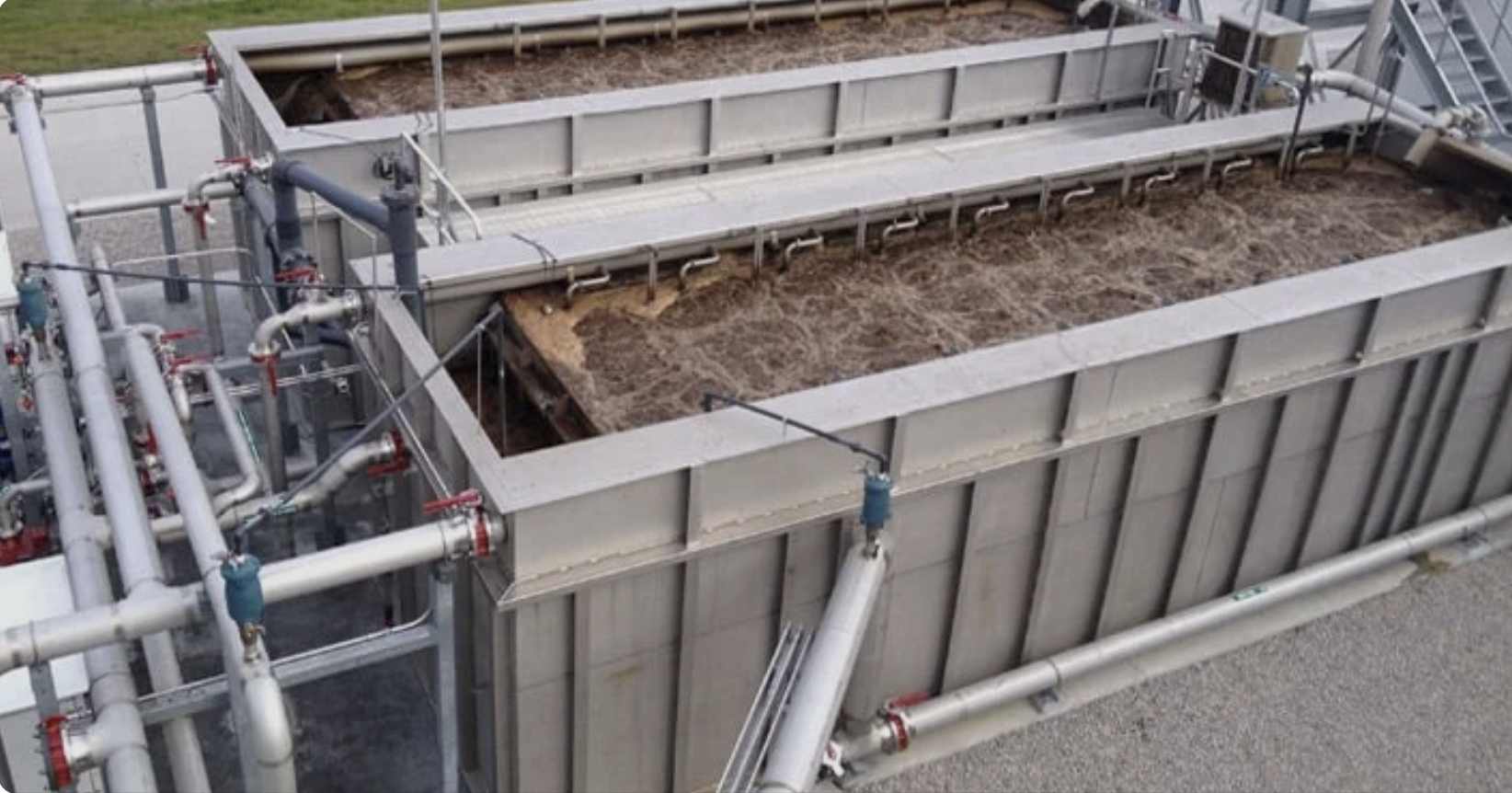
Submerged MBR
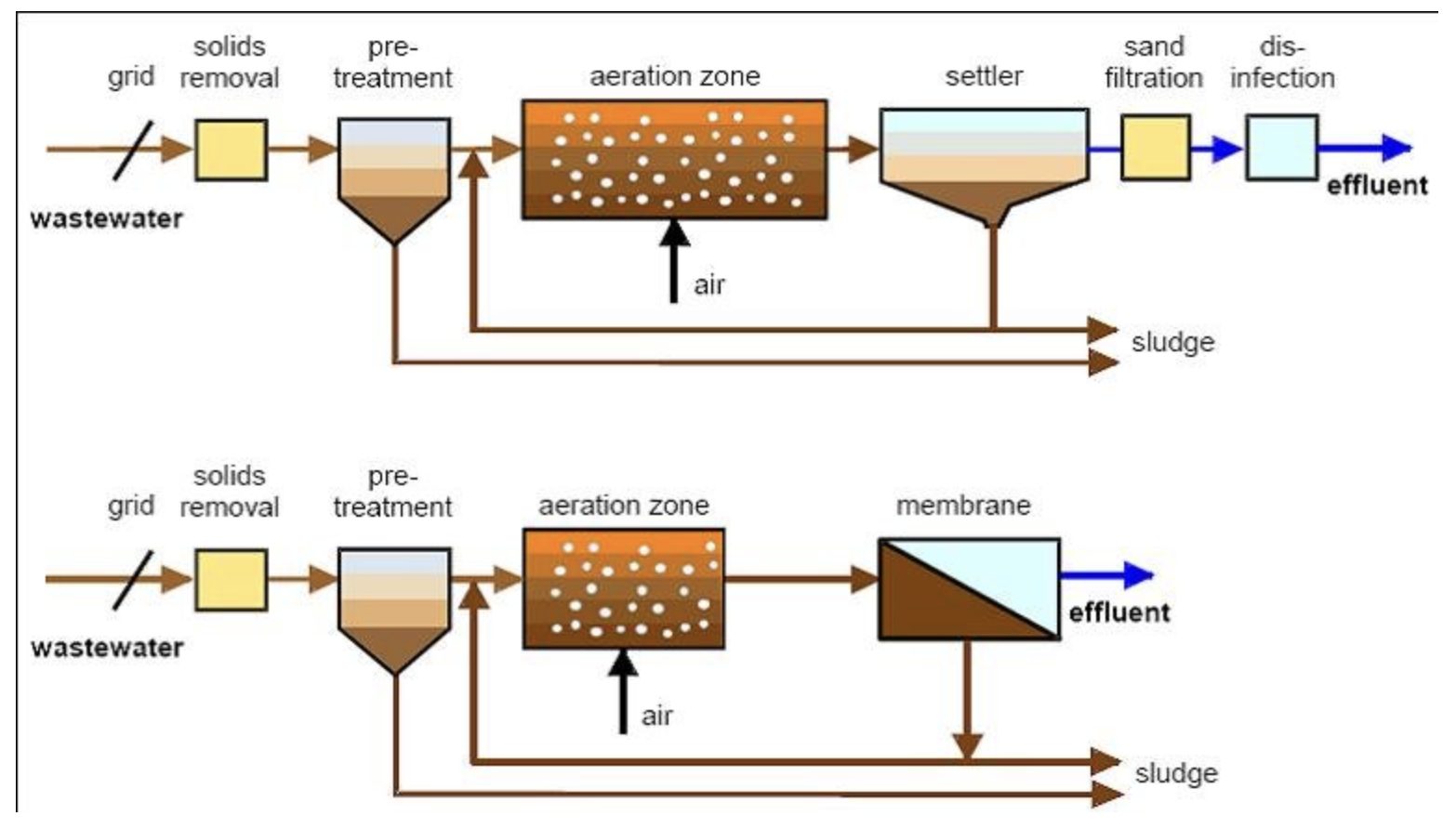
Conventional System vs MBR
Frequently Asked Questions
How does an MBR differ from conventional activated sludge?
An MBR uses membrane separation instead of a conventional secondary clarifier, enabling reliable solids retention and high-quality treated effluent in a compact footprint.
Can MBR effluent be reused?
MBR effluent is often suitable for further polishing and non-potable reuse, subject to the intended application, disinfection requirements and site-specific water-quality limits.
What affects MBR operating performance?
Screening, biological loading, aeration, membrane flux, cleaning strategy, sludge characteristics and instrumentation all affect reliability and energy use.