
Industrial Wastewater Treatment
Hazardous Waste Collection and Disposal
Hazardous and toxic industrial waste collection support in Singapore, including assessment, segregation, packaging, transport coordination and traceable disposal.
Discuss Your Requirement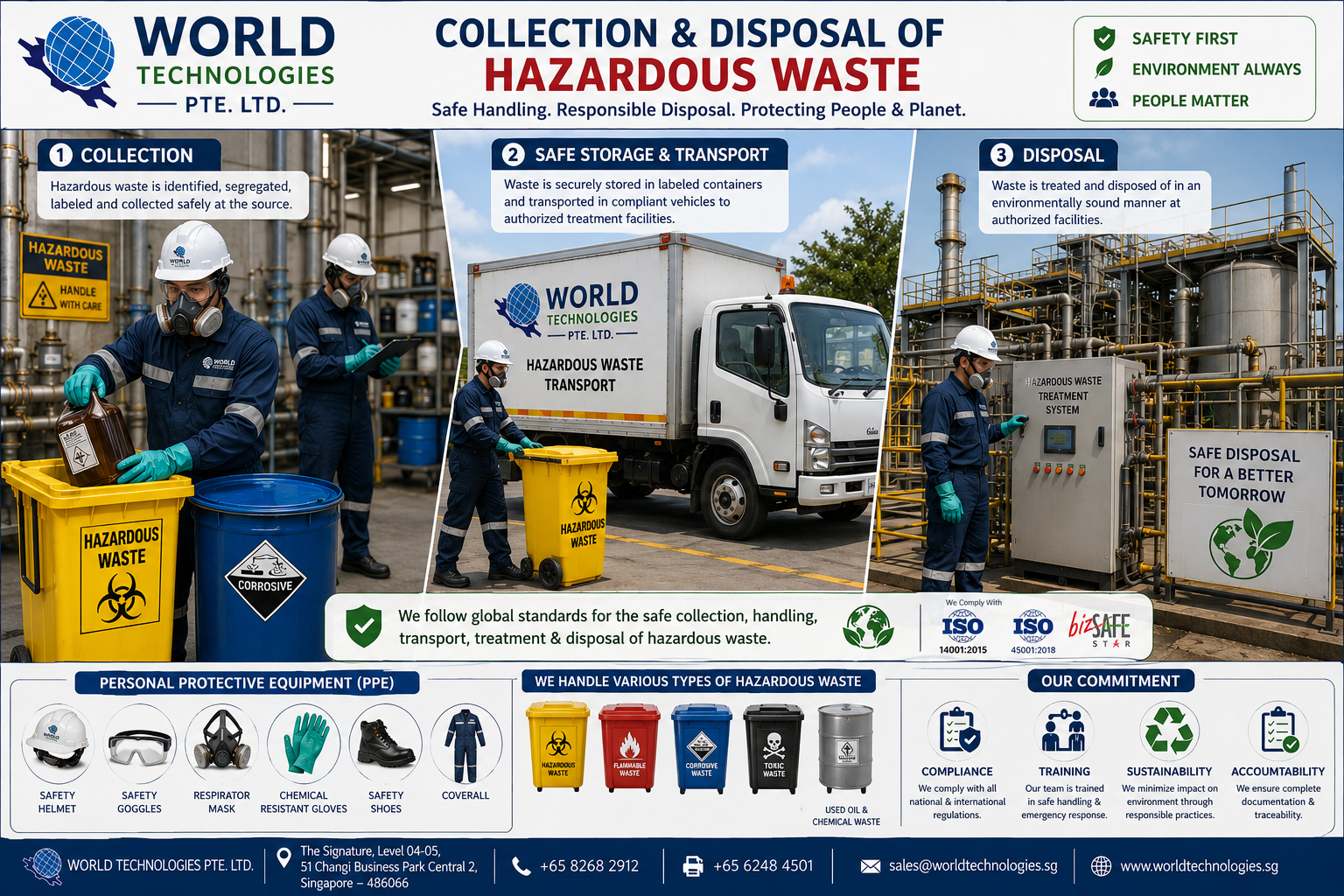
Hazardous Waste Collection and Disposal Service
Safe Reliable and Compliant Hazardous Waste Management
World Technologies Pte. Ltd. provides professional hazardous waste collection and disposal solutions for commercial and industrial facilities across Singapore. We help customers identify, segregate, package, collect, transport and dispose of hazardous waste through appropriate treatment and disposal channels.
In Singapore, regulated hazardous waste is generally classified as Toxic Industrial Waste (TIW). Its collection and transport must comply with the Environmental Public Health (Toxic Industrial Waste) Regulations. Where licensing is required, World Technologies coordinates collection and disposal through suitably authorised and NEA-licensed Toxic Industrial Waste Collectors.
Our team supports pharmaceutical, semiconductor, oil and gas, food and beverage, manufacturing, marine, laboratory, data-centre and other industrial facilities.
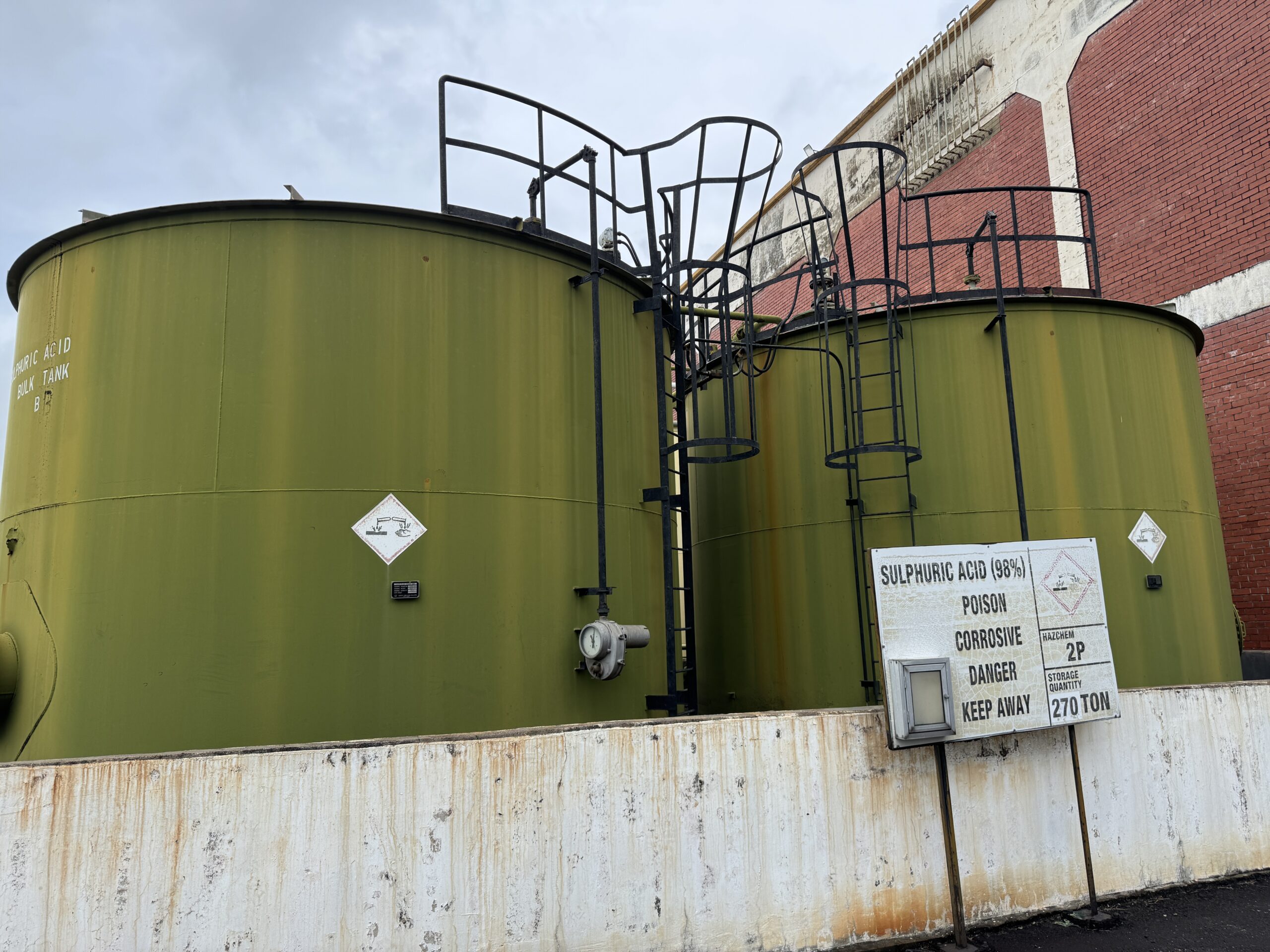
Hazardous Waste We Can Manage
Subject to waste assessment, classification and acceptance by the selected licensed disposal facility, we can coordinate the collection and disposal of:
- Spent acids and alkaline solutions
- Chemical-contaminated wastewater
- Oily water, waste oil and oil sludge
- Paint waste, resin waste, adhesives and coatings
- Spent solvents and solvent-contaminated liquids
- Contaminated activated carbon and filter media
- Spent ion-exchange resin and membrane waste
- Chemical process sludge and wastewater-treatment sludge
- Off-specification or rejected chemical products
- Electronic and battery waste requiring controlled handling
- Other scheduled or toxic industrial waste
Our Hazardous Waste Management Services
- Site Survey and Waste Assessment: Our team reviews the waste source, process information, estimated quantity, physical condition and potential hazards. Representative sampling or laboratory analysis may be recommended when the waste composition is unknown.
- Waste Identification and Classification : We help customers establish an appropriate waste profile based on available Safety Data Sheets, process information and laboratory results. This supports the selection of compatible containers, transport arrangements and treatment methods.
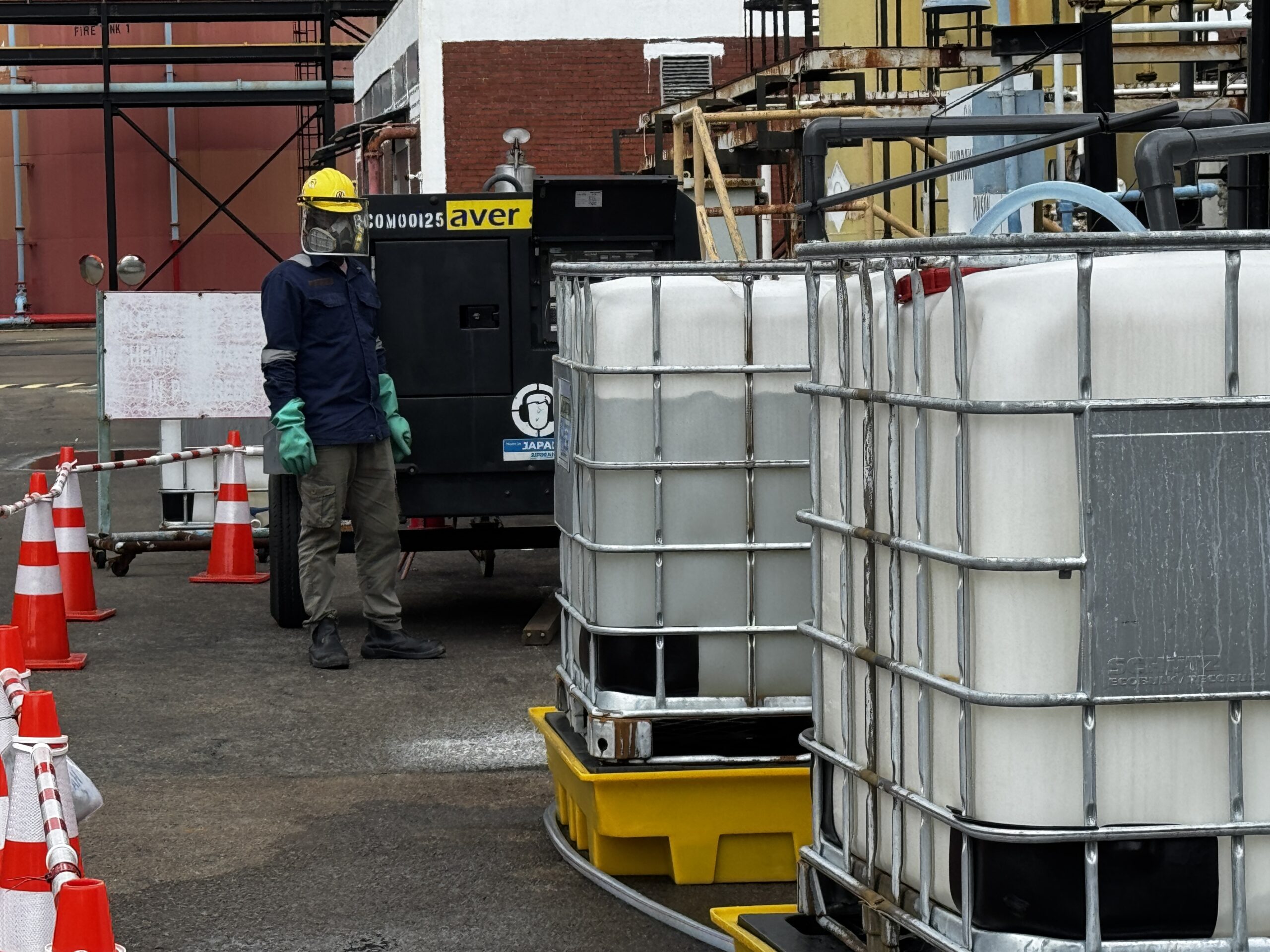
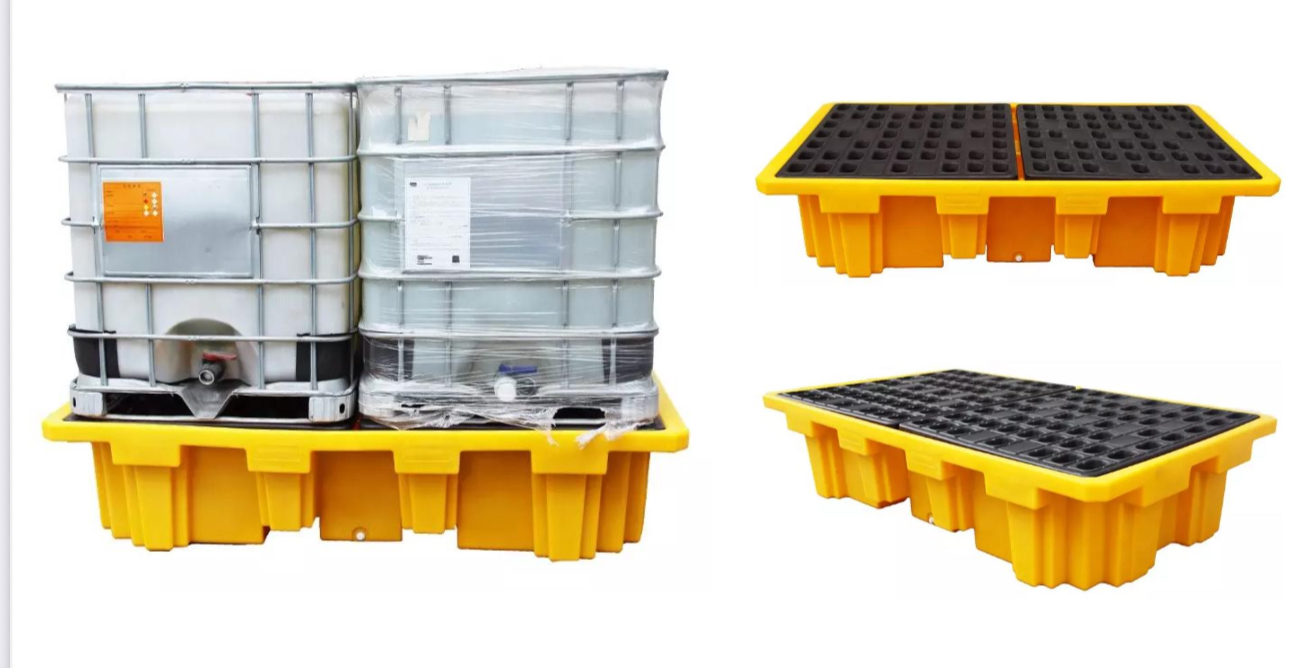
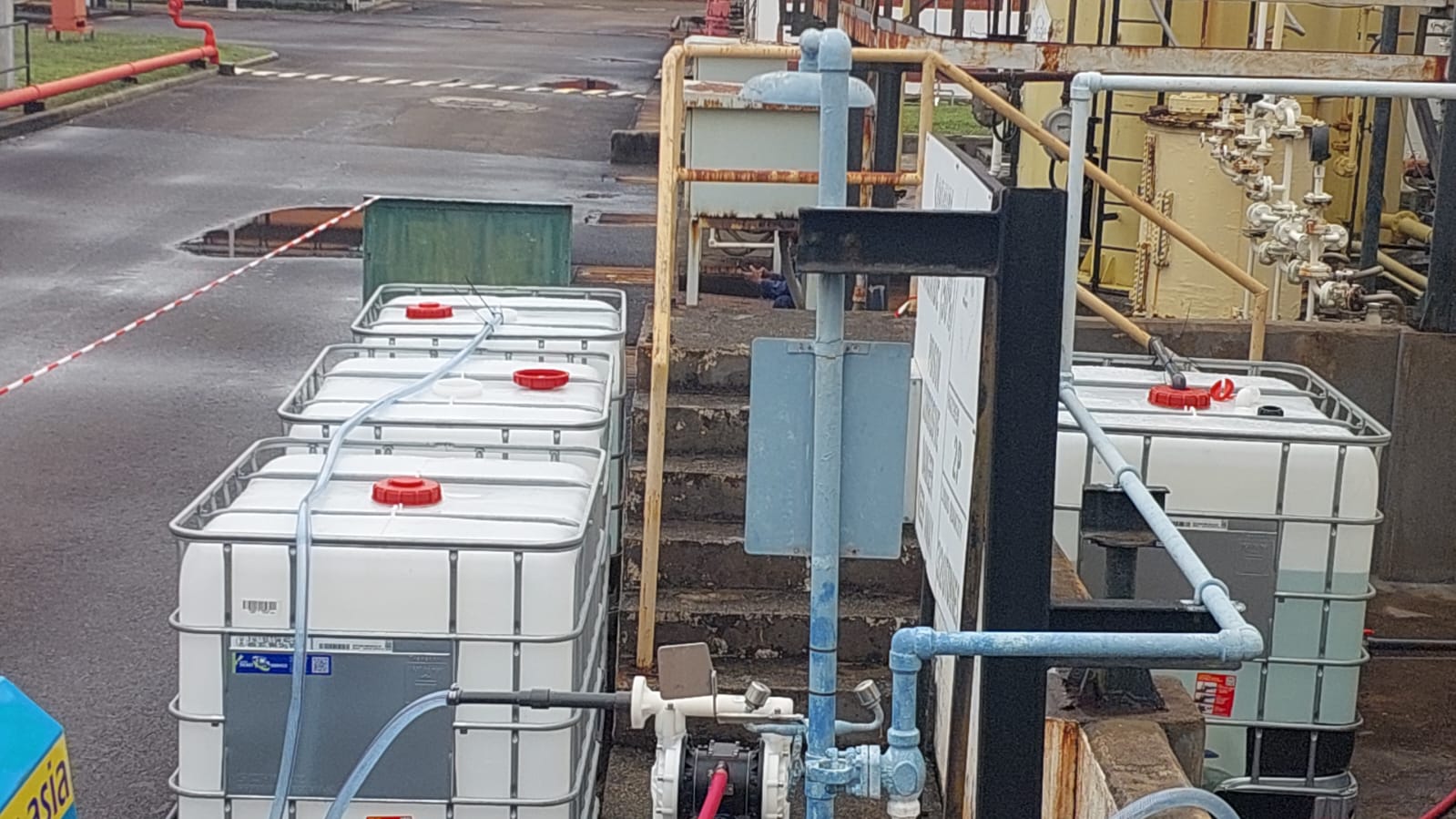
- Segregation and Packaging: Hazardous waste must be segregated to prevent dangerous chemical reactions. We can advise on compatible drums, IBCs, tanks, bags or other containers, as well as labelling, secondary containment and temporary storage requirements.
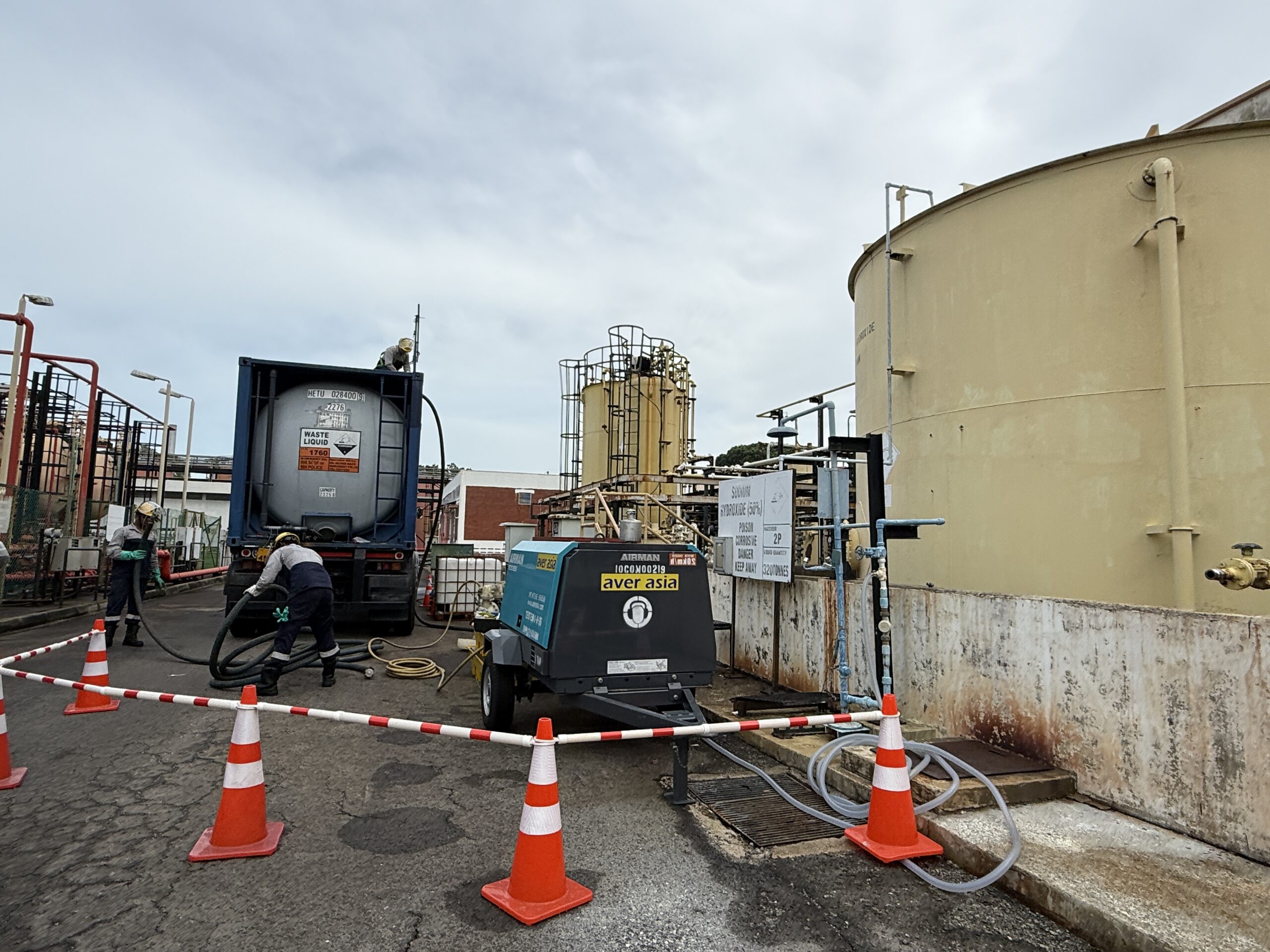
- Collection and Transportation: Collection is scheduled according to the site’s operational and safety requirements. Where applicable, the waste is transported by an authorised carrier.
- Treatment, Recovery and Disposal: Depending on the waste characteristics, suitable management methods may include:
- Neutralisation
- Oil and water separation
- Stabilisation or solidification
- Controlled incineration
- Wastewater treatment
- Disposal of treated residues through authorised facilities
Documentation and Traceability: We coordinate the necessary waste information and supporting records, which may include:
- Waste inventory and description
- Safety Data Sheets
- Laboratory analysis reports
- Waste collection records
- Weighing or quantity record
Hazardous Waste Collection Process
Enquiry → Site Assessment → Waste Identification → Sampling or Laboratory Analysis → Quotation → Packaging and Labelling → Collection → Approved Treatment or Disposal → Documentation
Before providing a quotation, we may request:
- Type and source of waste
- Estimated quantity
- Physical form: liquid, sludge, powder or solid
- Chemical composition and concentration
- Safety Data Sheet
- Photographs of the waste and containers
- Latest laboratory analysis report
- Collection location and access conditions
- Preferred collection schedule
Industries We Serve
Pharmaceutical and Life Sciences
Collection of expired chemicals, laboratory waste, solvent waste, process sludge, contaminated filters, activated carbon and wastewater-treatment residues.
Semiconductor and Electronics
Management of spent acids, alkalis, metal-bearing waste, chemical wastewater, filter cartridges, resins, sludge and contaminated packaging.
Oil, Gas and Petrochemical
Collection of oily water, used oil, tank sludge, contaminated absorbents, process chemicals and wastewater-treatment sludge.
Food and Beverage
Disposal support for expired chemicals, cleaning solutions, oils, laboratory waste and treatment-plant sludge.
Manufacturing and Engineering
Management of paints, solvents, coolants, lubricants, metal-bearing sludge, contaminated packaging and production residues.
Marine and Offshore
Collection arrangements for oily water, sludge, used oil, chemical residues and contaminated materials, subject to the applicable waste classification and regulatory requirements.
Safety Is Central to Every Collection
Each project is assessed according to the waste hazards and site conditions. Appropriate controls may include:
- Risk Assessment and Safe Work Procedures
- Permit-to-Work coordination
- Chemical compatibility verification
- Proper labelling and container inspection
- Spill-prevention and secondary containment
- Suitable personal protective equipment
- Barricading and controlled loading areas
- Emergency response and spill-control materials
- Trained personnel and approved transport arrangements
Customers should never mix unidentified chemicals or transfer hazardous waste into unsuitable or unlabelled containers.
Why Choose World Technologies?
- Experience in industrial water and wastewater management
- Support for both liquid and solid industrial waste streams
- Site assessment and waste-characterisation coordination
- Safe collection planning for operational facilities
- Coordination with appropriate licensed waste contractors
- Treatment, recovery and disposal options based on waste type
- Clear documentation and waste traceability
- Responsive service throughout Singapore
- Solutions for one-time disposal and scheduled collections
- Commitment to workplace safety and environmental protection
Frequently Asked Questions
What is hazardous waste?
Hazardous waste is waste that may be toxic, corrosive, flammable, reactive, infectious or otherwise harmful to people or the environment. In Singapore, many regulated industrial waste streams fall under the definition of Toxic Industrial Waste.
Can hazardous waste be disposed of with general waste?
No. Regulated or chemically contaminated waste should not be placed in general waste bins, discharged into drains or disposed of without proper assessment. It must be handled through an appropriate authorised waste-management channel.
Do you collect small quantities of laboratory chemicals?
Collection may be arranged subject to the chemical identity, condition, packaging, compatibility and acceptance criteria of the licensed collector or treatment facility.
Can you collect unidentified chemicals?
Unidentified chemicals generally require assessment, sampling or laboratory analysis before they can be accepted. Do not open, smell, mix or transfer an unidentified chemical without appropriate professional controls.
Do you provide drums and containers?
Suitable drums, IBCs or other containers may be arranged depending on the type, quantity and compatibility of the waste.
How much does hazardous waste disposal cost?
The cost depends on the waste type, concentration, quantity, packaging, collection location, transport requirements and selected treatment method. Providing complete waste information helps us prepare an accurate quotation.
Is documentation provided after collection?
Relevant collection, consignment, weighing, treatment or disposal records may be provided according to the waste category and service arrangement.